Email reactivation campaigns: bringing past buyers back
Past buyers are the warmest audience a business owns. The three jobs a reactivation campaign has to do, and why the follow-up matters more than the broadcast.
Of every audience a business can talk to, past buyers are the warmest. They already crossed the hardest line a customer ever crosses: they paid. Reactivating them is the highest-return email work there is, and most businesses never do it.
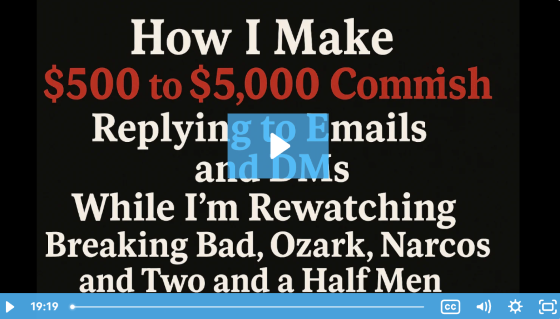
A reactivation campaign to past buyers has three jobs: re-earn their attention after a period of silence, surface the ones who are still warm and interested, and put a relevant offer in front of them at the right moment. The broadcast opens the door. The personal follow-up is what actually converts. Because these people already trust the business, the return is far higher than working cold traffic.
Travis calls this a customer reactivation campaign, and it’s one of the first plays Ronin learn, because the audience is already paid for.
I want to give you the shape of how this works, so you understand it, without handing you a sequence to copy, because a copied sequence run without judgment does more harm than good.
Job one: re-earn attention
A buyer who hasn’t heard from a business in a while won’t respond to a cold pitch. The first job is simply to reconnect as a human and remind them why they were glad to be there. You give before you ask. You lead with something worth opening, not with an offer. Skip this and even a warm buyer tunes out. Do it well and the relationship reopens.
Job two: surface the warm ones
Not every past buyer is ready to buy again right now, and that’s fine. The campaign’s second job is to separate the people who are leaning in from the people who aren’t, so your energy goes where the response is. You’re looking for the signals of genuine interest and concentrating your effort there, rather than treating everyone identically. This is the same found money instinct that runs through every dormant-asset play.
Job three: a relevant offer at the right moment
Only once attention is re-earned and the warm buyers are surfaced does an offer belong in the conversation, and it has to be relevant to where they actually are now. A past buyer doesn’t want to be sold the thing they already own. They want the logical next step. Getting that match right is most of what makes a reactivation convert, and it leans on the same preselling thinking that powers every good campaign.
Why the follow-up beats the broadcast
Here’s the part that matters most and gets the least attention. The broadcast email is just the knock on the door. The sales come from the one-on-one follow-up with the people who respond: the buyer with a question, the one who hesitates, the one who almost acts. Travis Sago built the Rainmaker method around exactly this, and you can see a reactivation play out end to end in the dormant buyer list case study.
The second offer connection
Reactivation and the second-offer playbook are close cousins. Reactivation re-earns the attention of buyers who went quiet. The second offer is what you bring them once they’re listening again. Run together, they turn a list of past customers into a repeatable source of sales rather than a one-time win.
What this article deliberately doesn’t give you is the campaign itself: the actual messages, the timing, the order, and the follow-up wording that turns interest into sales. That’s the craft, and a reactivation run badly damages a relationship the owner spent years building.
That craft, and a room of people running reactivations for real lists every week, is inside Royalty Ronin. Come learn it where it’s taught.
FAQ
What are the three jobs of an email reactivation campaign?
Re-earn attention after a period of silence, surface the buyers who are still warm and interested, and put a relevant offer in front of them at the right moment. The offer comes last, only once attention is re-earned.
Why does the follow-up matter more than the broadcast email?
The broadcast is just the knock on the door. The sales come from one-on-one follow-up with people who respond, the buyer with a question or the one who hesitates. Travis Sago built the Rainmaker method around exactly this.
Keep reading
Sources: Royalty Ronin (Travis Sago) on Skool